
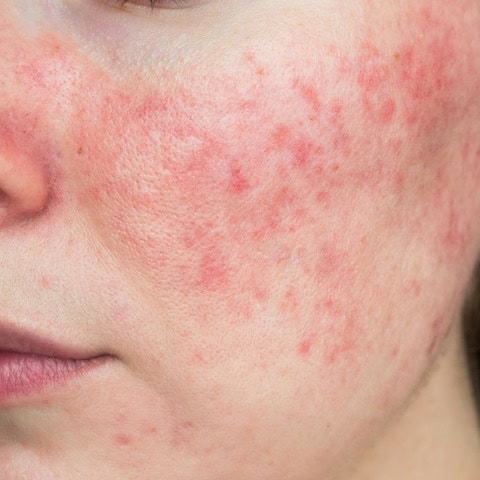
For many people, summer is a season to enjoy sunshine, holidays and spending more time outdoors. However, if you have rosacea, warmer weather can often mean increased redness, flushing and uncomfortable flare-ups.
Rosacea is a long-term inflammatory skin condition that most commonly affects the cheeks, nose, chin and forehead. Although there is currently no cure, understanding your triggers and receiving the right treatment can help keep symptoms under control.
Why does hot weather trigger rosacea?
Heat causes blood vessels near the surface of the skin to dilate. For those living with rosacea, this often leads to increased redness and flushing.
Some of the most common summer triggers include:
- Hot weather
- Direct sunlight and UV exposure
- Humidity
- Alcohol
- Spicy foods
- Hot drinks
- Stress
- Vigorous exercise
Not everyone experiences the same triggers, so keeping a diary of flare-ups can help identify what affects your skin.
How to protect your skin during summer
There are several simple ways to reduce the risk of flare-ups:
Wear sunscreen every day
Daily sun protection is one of the most important steps in managing rosacea. Choose a broad-spectrum SPF 50 sunscreen suitable for sensitive skin and remember to reapply regularly throughout the day.
Keep your skin cool
Seek shade during the hottest part of the day, wear a wide-brimmed hat and use cool compresses if your skin begins to feel hot or irritated.
Choose gentle skincare
Avoid harsh exfoliants, fragranced products and alcohol-based toners that can aggravate sensitive skin. Instead, opt for gentle cleansers and moisturisers designed for reactive skin.
Stay hydrated
Drinking plenty of water can help support healthy skin, particularly during periods of hot weather.
When should you see a dermatologist?
If facial redness persists, becomes more severe or begins affecting your confidence, it may be time to seek specialist advice.
At Southface Dermatology, our Consultant Dermatologists can accurately diagnose rosacea and recommend a personalised treatment plan. This may include prescription creams, oral medication, laser treatments or tailored skincare advice depending on your symptoms.
Don’t let rosacea stop you enjoying summer
With the right management, many people successfully control their rosacea and reduce flare-ups throughout the warmer months.
If you’re struggling with persistent facial redness or would like expert advice, book a consultation with one of our Consultant Dermatologists today.